
The Brand’s Standing Inside Current Streetwear Trends
Streetwear in 2026 has fractured into clearly defined lanes: quiet luxury basics, maximalist graphic drops, techwear utility, and a growing appetite for clothing with a message. We Are Righteous sits at the intersection of the last two categories, building a brand identity around faith-driven statements without abandoning the silhouettes and fabric weights that streetwear shoppers already expect. Understanding where Righteous clothing fits means looking at what’s actually driving purchase decisions right now — comfort-first construction, cultural or personal meaning stitched into the product, and pieces flexible enough to move from a gym session to a coffee run without looking out of place.
This transition away from pure logo-chasing toward apparel built around identity is one of the clearer trends steering the category. Search traffic in terms like “faith-based streetwear” and “Christian streetwear brand” has grown steadily over the past two years, and Righteous apparel is positioned squarely inside that wave of demand. The brand doesn’t treat faith as a niche add-on; instead, it becomes the organizing principle behind cuts, colorways, and messaging — a different approach than simply printing a scripture reference on a stock blank hoodie.
The Ascent of Concept-Rich Streetwear Found Its Footing
For most of the 2010s, streetwear success was gauged nearly exclusively by buzz oversized tee waves and scarcity drops. While that model is still around, it’s stopped being the single way to matter. Shoppers in 2026 are growing louder about craving garments that reflects their identity, instead of simply what they can get their hands on. At this point a label such as We Are Righteous stakes its claim — apparel that puts values ahead of chasing trends.
Six factors come up repeatedly by customers exploring budget-savvy fashion brands before they commit to buying:
- Whether the slogan on the garment comes across as true-to-brand rather than for-show
- Cut and fit and textile weight measured against price tier
- Openness from the label around where materials come from and how items are made
- Uniformity of sizing spanning a collection
- Visibility of genuine shopper feedback rather than curated testimonials
- Versatility — is the garment wearable beyond just one styled “aesthetic” moment
Spanning social media channels, righteous review threads tend to come back around to these same 6 points — a pattern that suggests the brand is being evaluated with the same rigor shoppers bring to any streetwear brand, faith-based or not. That’s a significant departure from a 10-year span ago, when faith-based or message-forward apparel was often dismissed as a novelty category instead of evaluated based on build quality and design value.
Where the Righteous Hoodie Ranks Within the Broader Lineup
The hoodie remains the anchor piece of nearly every streetwear brand’s lineup, and Righteous is no exception. A hoodie functions as a brand’s most visible ambassador — it’s worn more often, photographed more often, and layered more often than almost any other garment in a closet. The Righteous hoodie fits into this pattern by serving as the flagship item shoppers reference most when they talk about the brand online.
What separates a hoodie that performs well in 2026’s market from one that fades quickly comes down to a short list of expectations: a fit that works oversized or true-to-size depending on styling intent, fabric substantial enough to hold shape through repeated wear, and graphics or text placement that reads intentional rather than an afterthought. Streetwear consumers have become fluent in spotting the difference between a garment designed around its message and one where the message was slapped onto an existing template.
The overall hoodie segment has also trended toward heavier weights and more squared-off shapes compared to five years ago, a trend that traces back to old-school sportswear and workwear roots filtering into streetwear. Brands willing to update their hoodie cuts accordingly tend to stay relevant longer than those still attached to slimmer, old-school cuts.
Evaluating Brand Positioning Across the Streetwear Culture Terrain
To understand how We Are Righteous compares to other categories operating in the same general space, it helps to look at positioning rather than direct brand-to-brand pricing, since exact figures vary by drop and season. The table below breaks down general category tendencies as observed across the current streetwear market in 2026.
| Category | Main Value Proposition | Typical Messaging Focus | Common Consumer Motivation |
|---|---|---|---|
| Streetwear built around belief (for example, Righteous clothing brand) | Conviction and selfhood conveyed through garments | Scripture, personal conviction, community | Buying apparel for their meaning, beyond appearance |
| Buzz-fueled/branded streetwear | Exclusivity and brand cachet | Logo visibility, collaboration drops | Signaling social standing |
| Techwear | Performance-driven design | Utility, weatherproofing, modularity | Functionality that delivers |
| Minimalist basics | Premium fabric, understated silhouette | Quiet logo presence | Lasting quality paired with flexibility |
This comparison shows Righteous apparel isn’t competing head-to-head with techwear or minimalist basics on their own terms — it’s carving a lane that borrows structural cues from mainstream streetwear while keeping message and identity as the core differentiator. That dual positioning is precisely why the brand shows up in conversations both about “faith apparel” and about general streetwear recommendations.
This Is What Buyers Are Really Telling Us
Any fair honest examination at how a brand slots into current trends has to factor in authentic shopper opinion, not just marketing copy. A representative We Are Righteous review tends to focus on three repeating themes: how the fabric’s feel measures up to what the price point suggests, how the sizing stacks up against typical streetwear norms, and whether the graphic backed up the message it’s meant to convey. Shoppers researching a We Are Righteous brand purchase for the first time are often arriving via either a values-based search — specifically seeking out Christian streetwear specifically — or a generic streetwear search where the brand surfaced via social discovery.
Both entry points matter for different reasons. This faith-driven buyer is usually less cost-conscious but more demanding when it comes to authenticity; they want to know the message isn’t just a sales tactic. The general streetwear shopper is measuring Righteous against a broader competitive set strictly based on craftsmanship and design quality, not especially moved by the spiritual messaging unless the aesthetic pulls them in first. A label able to serve both crowds without watering down its identity for either has a durable edge that’s hard for rivals to copy fast.
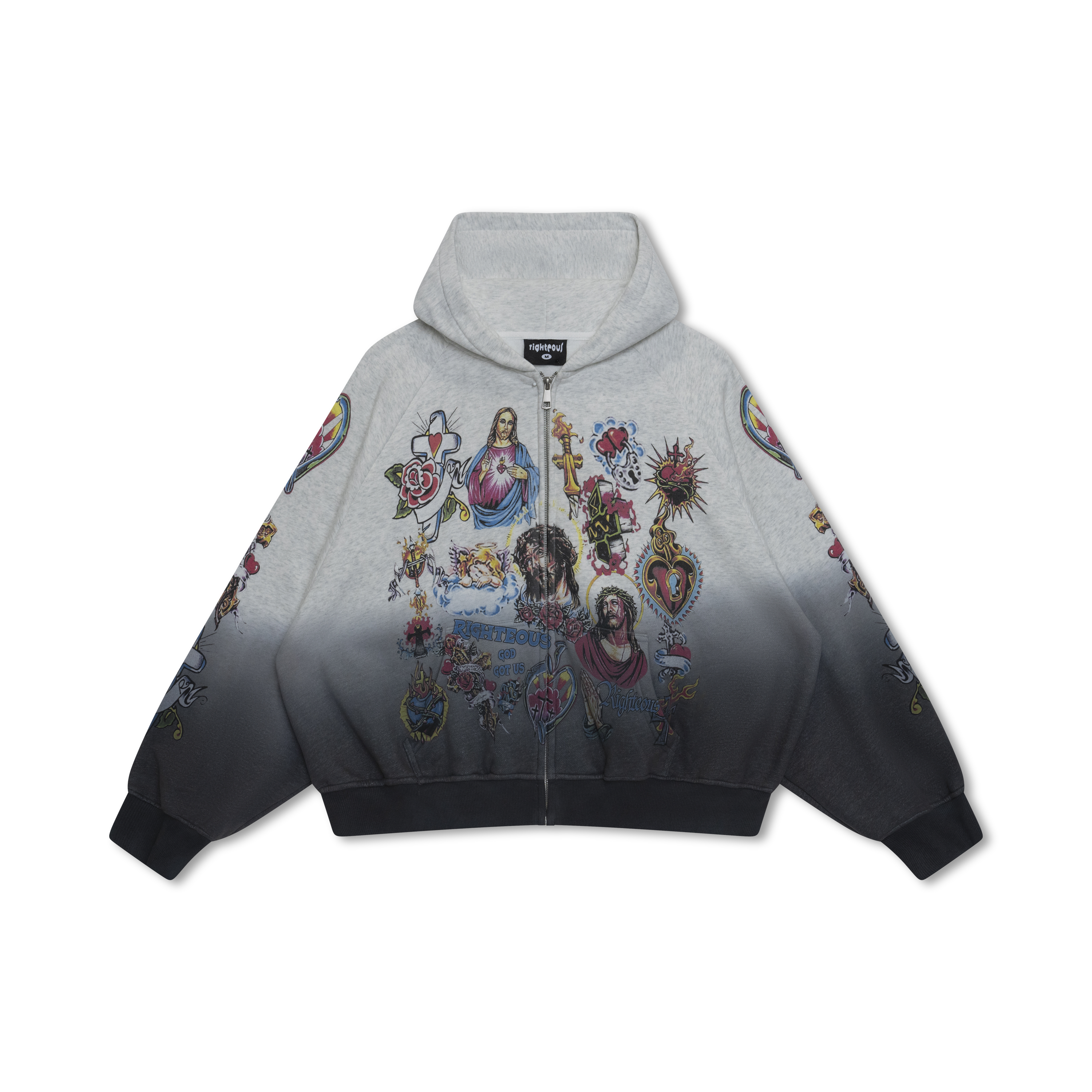
Sizing, Fit, and the 2026 Silhouette Shift
In 2026, discussions about fit dominate almost every streetwear discussion thread, and Righteous clothing isn’t excluded from that scrutiny. The overall direction has moved decisively toward roomier, boxier silhouettes for hoodies and tees, while bottoms have shifted toward tapered or straight-leg cuts rather than the super-slim cuts that were popular ten years back. Brands that misjudge this balance — going too slim on top or too wide on the bottom — tend to draw the most critical feedback in reviews.
For shoppers comparing a Righteous hoodie against other options in their closet, the practical advice holds across the category: confirm the brand’s specific sizing guidance for each drop rather than assuming consistency with unrelated brands, since weight of fabric and cut can change quite a bit between drops. This applies broadly across the streetwear space and isn’t a knock on any single label, but it’s worth reiterating because sizing complaints remain the single most common source of returns industry-wide.
The Brand’s Position Going Into the Rest of 2026
Streetwear’s core focus has moved toward brands that can justify their existence beyond looks alone, and that movement plays directly into how We Are Righteous is positioned. It isn’t attempting to outshine the logo-obsessed heavyweights or outperform the techwear-focused experts — it’s building around a message-first identity that a measurable and growing portion of buyers are actively seeking out. That doesn’t guarantee long-term dominance, but it does mean the brand is aligned with where consumer sentiment is actually heading rather than where it used to be five years ago.
In the year ahead, it will likely become clear as to whether Righteous clothing can scale that identity-driven approach without sacrificing the genuineness that sets it apart from brands that turn conviction into a promotional device. Whether the brand becomes a fixture in the identity-driven streetwear conversation or continues as a modest niche presence will depend on steady fit quality, openness in customer feedback, and sustained focus on flagship pieces like the hoodie. Considering the current trajectory and where 2026 streetwear demand seems to be trending, the underlying conditions are already established for the more optimistic path.